
A new fence boosts security, privacy, and curb appeal for your home. However, rising home costs make finding affordable fence options a concern for many homeowners.
Northwest Cedar can help you find the right balance of price and quality. In this guide, we’ll cover the cheapest privacy fence options, fence installation cost per foot, and the best value fencing materials for your home.
Table of Contents
Top Factors That Influence Your Fence Installation Cost
Even the most affordable fencing materials vary in cost. Here’s what you can expect to spend based on material, footage, and installation:
Material Type and Availability
The type of fencing material you choose has the biggest impact on overall cost. Basic options like galvanized chain link and pressure-treated pine are easy to find and usually the cheapest per foot. More durable materials like western red cedar or vinyl cost more upfront, but they often need less maintenance and fewer repairs over time.
Availability also affects price. Materials that are commonly stocked in the Midwest are usually more affordable than specialty options that require long lead times or incur higher shipping costs.
Linear Footage and Height
Simply put, more fence means more cost. Fence installation cost per foot increases as:
- Property size grows
- Fence height increases
- Additional gates or corners are added
This makes accurate measurements critical when budgeting for an affordable fence installation.
Labor vs. DIY Installation
Labor is often the second-largest cost factor when seeking an affordable fence. Some homeowners consider DIY installation to save money, but it can quickly cost more money over time.
Professional installation ensures your fence is installed correctly the first time, making it the more affordable option long term.
The Cheapest Fencing Materials
When comparing affordable fencing options, it helps to look beyond the upfront price. Some fences cost less to install but require more upkeep, while others cost more initially and save money over time.
Here’s an overview of the cheapest privacy fence options:
| Fence Type | Average Cost Per Foot (Installed) | Privacy Level | Maintenance Needs | Best Use Case |
|---|---|---|---|---|
|
Chain Link |
Low
|
Low
|
Very Low
|
Budget-friendly boundary fencing
|
|
Pressure-Treated Pine |
Low to Moderate
|
High |
Moderate to High
|
Entry-level privacy fencing
|
|
Split Rail
|
Low |
Very Low
|
Low |
Large property boundaries
|
|
Western Red Cedar
|
Moderate |
High
|
Low to Moderate
|
Long-term value privacy fencing
|
|
Vinyl Picket
|
Moderate |
Low to Medium
|
Very Low
|
Decorative, low-maintenance fencing
|
Chain Link Fencing
Galvanized chain link fencing is often considered the most affordable permanent fence installation. The material is inexpensive, installation is efficient, and maintenance costs are minimal. For homeowners focused strictly on budget, chain link often delivers the lowest fence installation cost per foot.
The tradeoff is privacy. Chain link fencing provides security and durability, but does not block visibility. It works best for defining property lines, enclosing pets, or securing yards where privacy is not a top concern.
Pressure-Treated Pine
Pressure-treated pine is one of the most affordable wood privacy fence options available. It offers a traditional look at a lower price point than cedar, making it a popular entry-level choice for homeowners who want privacy without a higher upfront investment.
However, pressure-treated pine requires regular staining or sealing to protect against moisture and rot. Without proper maintenance, long-term repair and replacement costs can add up, making it less affordable over time compared to more durable options.
Split Rail Fencing
Split rail fencing is one of the least expensive ways to define a large property boundary. Because it uses fewer materials and simpler construction, installation costs stay low, especially for expansive yards or rural properties.
However, split rail fencing is not designed for privacy or security. It works best as a visual boundary or decorative option rather than a full enclosure.
Western Red Cedar
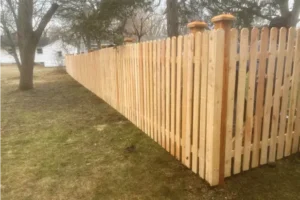
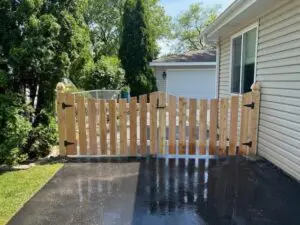
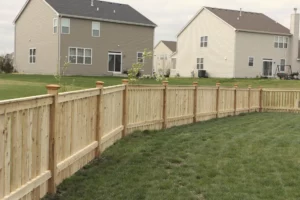
Western red cedar costs more upfront than pressure-treated pine, but it often delivers better long-term value. Cedar naturally resists rot, insects, and moisture, reducing maintenance and extending the life of the fence.
For homeowners seeking the best value in fencing materials, cedar strikes a balance between affordability, durability, and appearance. Northwest Cedar Fence Company offers cedar fencing options designed to perform well in Midwest climates.
Vinyl Picket Fencing
Vinyl picket fencing is a more mid-range price category but offers excellent long-term affordability due to its minimal upkeep. With their long lifespan, vinyl pickets can last for decades when professionally installed.
Homeowners often choose low-maintenance vinyl fencing because it never needs painting or staining and holds up well against moisture, sun exposure, and seasonal temperature changes. This makes vinyl picket fencing a smart option for those who want a clean, decorative look without ongoing maintenance costs.
Why Professional Installation Provides Long-Term Savings
DIY fence installation may seem like a way to save money up front, but it often leads to early damage, costly repairs, and premature replacement. Professional installation may cost more initially, but it typically offers better long-term value.
Precision vs. DIY Mistakes
Common DIY mistakes include uneven post spacing, shallow post depth, and misaligned panels. These issues can lead to leaning fences, loose sections, and premature failure.
Professional fence installation accounts for grading, soil conditions, and fence layout from the start. This level of accuracy helps fences hold up longer, especially in Midwest climates where seasonal changes can stress improperly installed posts.
Warranties and Peace of Mind
Another advantage of professional installation is warranty coverage. Northwest Cedar Fence Company offers industry-leading warranties for all fence installations. We also offer fence installation financing to make higher-quality fencing more accessible.
The “Hidden” Costs of Cheap Fencing in Illinois
A fence that looks affordable upfront can become expensive if it isn’t built for local conditions. In Illinois, climate and soil play a major role in how long a fence lasts. Understanding these hidden cost factors helps homeowners avoid repairs, replacements, and unexpected expenses down the line.
The Frost Line and Post Depth
Illinois winters create freeze-and-thaw cycles that can shift fence posts if not installed correctly. To prevent movement, fence posts typically need to be set 36 to 42 inches deep, below the frost line. This depth helps stabilize the fence and reduces the risk of leaning or heaving over time.
DIY installations often fall short in this area to save time or effort, which can lead to long-term structural issues. Professional fence installation accounts for frost depth from the start, helping protect your investment and extend your fence’s life.
Soil Conditions: Clay vs. Rocky Ground
Much of Illinois has dense clay soil, which can place extra stress on fence posts and hardware if not installed properly. In some areas, rocky soil can also slow down installation and increase labor effort.
Experienced installers know how to adjust post setting methods based on soil conditions. This attention to detail helps prevent premature wear and keeps fences stable year after year.
Removal and Disposal Fees
Replacing a fence often adds removal and disposal costs, especially for older wood, metal, or concrete-footed fences. Northwest Cedar Fence Company will handle removal efficiently, so you won’t face unexpected expenses.
Get a Custom Quote for Your Budget
Choosing the most affordable fence for your needs depends on upfront cost, long-term maintenance, and how well the material holds up in Illinois weather. Chain link and pressure-treated pine are cheaper initially, while western red cedar and vinyl often offer better value over time.
Northwest Cedar Fence Company helps homeowners compare materials, understand installation costs, and find the best option for their budgets and goals. With professional installation, financing options, and regional expertise, we help you invest in a fence that lasts.
For accurate pricing, use our online fence calculator or request a free fence estimate. We’ll provide a custom quote that reflects your yard size, material choice, and installation needs.
Fence Repair vs. Replacement: How to Know Which One You Need
If you’re dealing with fencing issues, fence repair is often the right solution when damage is limited to one area. But there are times when
Fence Cleaning: How to Clean a Wooden Fence the Right Way
When years of Midwest weather have left their mark, fence cleaning removes built-up dirt, algae, mold, and mildew before they cause lasting damage. At Northwest
Backyard Fence Ideas to Transform Your Outdoor Space
The backyard starts getting used in a very different way once Chicagoland weather finally breaks in the spring. Patio furniture comes back out, dogs start