

Vinyl Fencing: The Quick Breakdown
- Seasonal Gaps Can Change: Vinyl expands and contracts as temperatures change, so small gaps may become more or less noticeable year-round.
- A Little Flex Is Normal: Fence panels may move a bit, but the posts should stay stable and upright.
- Your Fence Will Need Cleaning: Dirt and other outdoor buildup can collect on vinyl, even though the material doesn’t need staining like wood.
- Some Changes Deserve a Closer Look: Watch for leaning posts, damaged panels, widening gaps, or a gate that no longer works properly.
Table of Contents
ToggleAt Northwest Cedar Fence Company, we install and work on vinyl fences throughout Chicagoland, so we know firsthand how they handle hot summers, freezing winters, and everyday wear. In this guide, we explore what to expect with your new vinyl fencing, including upkeep and how to tell when you need repair.
What Is Vinyl Fencing?
Vinyl fencing is made from PVC, or polyvinyl chloride, and comes in styles ranging from privacy and semi-private designs to picket, rail, horizontal, and decorative options. From there, you can choose the height, color, accents, and gates that fit your home.
You may also hear horizontal designs called vinyl plank fencing because the boards create horizontal lines across the fence. If you’re looking for vinyl fencing ideas, take time to learn about different fence styles and designs so you can envision how they’ll look once installed around your home.
Your Vinyl Fence Will Expand and Contract With the Weather
PVC expands as temperatures rise and contracts as they fall, so Illinois weather can change how your fence panels and gaps look from one season to another. A properly installed fence allows for expected expansion and contraction. If gaps get increasingly wider instead of changing with the seasons, it’s time to schedule an inspection.
Some Movement Is Normal
Don’t be surprised if your new vinyl fence has a little give in the wind or the gaps around the panels change with the temperature. Your posts should still stay upright and firmly in place.
Here’s a quick way to tell the difference:
| Normal | Worth a Closer Look |
|---|---|
| Slight panel flex in windy conditions | A post that is visibly leaning or has shifted |
| Small seasonal changes in panel gaps | A gap that keeps widening |
| Normal changes as temperatures rise or fall | A cracked or damaged panel |
| A gate that opens and latches properly | A gate that has shifted or stopped latching |
If you’re dealing with a vinyl fence leaning to one side, check the posts first. Panels can have some give, but a post that has clearly shifted or started leaning is a much more serious issue.
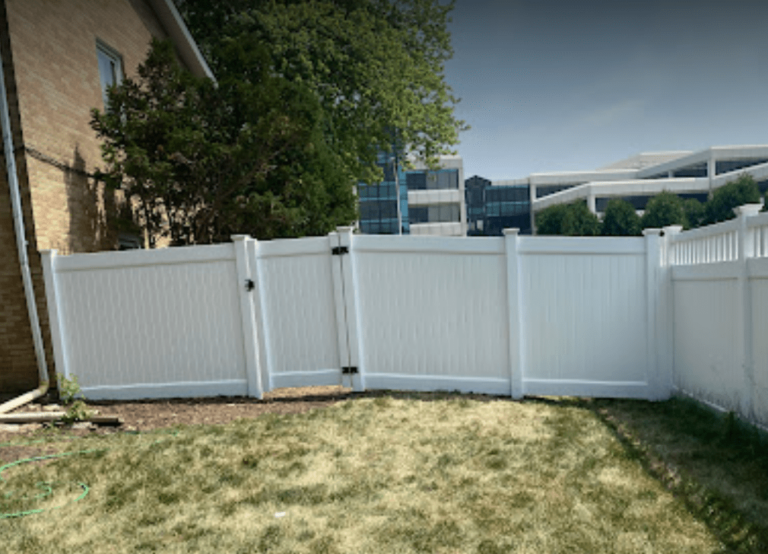
Your Vinyl Fence Will Get Dirty
Vinyl doesn’t need regular staining like wood, but it will still collect dirt and outdoor buildup. A garden hose can handle everyday grime. But for dirt, algae, or stubborn mildew, cleaning a vinyl fence usually requires mild soap, water, and a soft cloth.
Color and Appearance Can Change With Conditions
If your fence starts looking dingy or discolored, dirt, algae, mildew, or leftover salt and de-icer from winter may be sitting on the surface. Clean the area thoroughly first. If the discoloration remains after you remove the buildup, it may be time to schedule an inspection.
Four Things That Help Your Vinyl Fence Last
- Clean the Panels: Rinse away everyday dirt and use mild soap and a soft cloth when water alone doesn’t do the job.
- Keep the Fence Line Clear: Don’t let grass clippings, winter residue, or other debris pile up along the bottom of the panels.
- Trim Back Plants: Keep overgrown shrubs and vines from resting against the fence so you can easily see the panels and posts when you check them.
- Check the Gate: Make sure your vinyl fence gates still swing and latch properly. If a hinge or latch starts to come loose, schedule repair before it becomes a bigger problem.
When to Call Your Fence Company
Most of the small changes you’ll notice are easy enough to monitor. But when something starts shifting or breaks, it’s time to call a professional.
Call Northwest Cedar Fence Company if you notice:
- A Leaning Post: Your posts should stay upright and firmly in place. If one starts shifting or leaning, that’s a good reason to call.
- A Damaged Panel: A little flex is one thing. Cracks, splits, or holes mean the panel is damaged.
- A Gate That Isn’t Working Correctly: A gate that has dropped or shifted, starts dragging, or no longer latches may require an adjustment or repair.
- A Gap That Keeps Getting Wider: Seasonal changes happen, but a gap that keeps growing is worth having checked.
Northwest Cedar Fence Company has installed and repaired vinyl fencing throughout Chicagoland for over 100 years. If your fence is damaged, we’ll pinpoint the cause and fix it.
Get a Professional Fence Assessment
Whether you need a simple fence repair or a completely new fence, Northwest Cedar Fence Company has served homeowners throughout the Chicagoland suburbs and Northwest Indiana for decades. If you’re still unsure whether your fence should be repaired or replaced, our team will evaluate the condition of your fence, explain your options, and recommend the most cost-effective solution.
Contact us today to get started.
FAQ — Vinyl Fencing
What Are the Negatives of Vinyl Fencing?
Vinyl may cost more upfront than some wood options, and it doesn’t offer the same range of painted colors and finishes. A hard impact can also crack or damage a panel, which may mean replacing the damaged section rather than patching it.
How Much Does a 100-Foot Vinyl Fence Cost Installed?
The cost of 100 feet of vinyl fencing depends on the style, height, number of gates, site conditions, and other installation details. Use our fence estimate calculator to get an accurate starting point for your project.
Is It Cheaper to Do a Vinyl or Wood Fence?
When comparing cedar vs. vinyl fencing, cedar generally costs less upfront, while vinyl has lower ownership costs because it requires less maintenance and no staining.
Is PVC Better Than Vinyl?
Vinyl fencing is made from PVC, or polyvinyl chloride, so you’ll often see the terms PVC fence and vinyl fence used for the same type of product.