
Imagine your dog lounging in the sun, with their nose in the breeze, completely relaxed because the yard is secure and familiar. A good dog fence provides that kind of everyday comfort. It allows your dog to roam freely while staying safely within your yard’s boundaries, regardless of their size, energy level, or curiosity.
Table of Contents
Toggle
With so many fencing options to choose from, finding the right setup can start to feel like a headache. The good news is that it’s easy to decide once you know how different fence types function and what really matters for your dog’s needs. Read on to learn about the most common fence options, important factors to keep in mind, and helpful tips for creating a safe outdoor space for your dog
Why Your Dog Needs a Proper Fence
A dog fence does more than outline your yard. It gives your dog room to play, stretch their legs, and explore without you worrying about where they’ve wandered off to. A safe, enclosed space can also help ease anxious behaviors and give both you and your dog a little more peace during the day.
Here are a few simple reasons why a solid dog fence makes such a difference:
- Helps keep your dog from slipping out or chasing distractions like squirrels, joggers, or other pets
- Protects them from wildlife or neighbourhood hazards
Types of Dog Fences
Different homes, different dogs, different needs. The good news is that several outdoor dog fence styles work well across a variety of layouts and personalities. Northwest Cedar focuses on building fences that stand up to Midwest weather and deliver the kind of durability dog owners count on. Here are some of the most common styles you’ll come across.
Wood Dog Fences
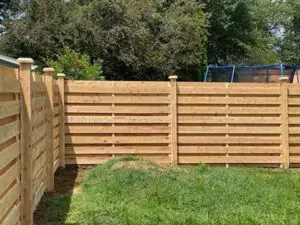
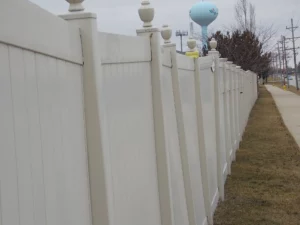
Wood fences are a go-to choice for many dog owners because they offer privacy and dependable containment. Taller styles help prevent jumpers from getting over, and solid panels block visual triggers for dogs who get excited or barky when people or animals pass by. A wood fence also blends naturally into most yards, creating a cozy, contained outdoor space.
Cedar Dog Fences
Cedar is a standout option for dog owners who want something that lasts. It naturally resists insects and decay, so it holds up well even with years of weather and use. Cedar fences feel sturdy and look warm and polished, and they’re an excellent fit for larger dogs who need a strong barrier. If you want dog fencing that stays attractive and reliable, cedar is hard to beat.
Metal Dog Fences
Metal fencing, including aluminium or steel, offers reliable strength while keeping your yard open and easy to see across. It’s a great fit for dogs who don’t need privacy but still need a secure boundary. These dog fence panels provide ample airflow and visibility, making them ideal for yards that offer an open, clean look. They also require minimal upkeep and withstand seasonal weather without much maintenance.
What’s the most important factor when choosing a fence for my dog?
Factors to Consider When Choosing a Dog Fence
Just like every dog, each yard comes with its own personality, so the best fence is the one that fits your dog’s habits just as well as it fits the shape of your outdoor space. These details can also help you figure out the best dog fence for your backyard.
Thinking through a few key details can make the decision much easier. Here are some factors to keep in mind:
- Dog Size + Strength
Larger or high-energy dogs often need a taller, sturdier fence to stay safely contained, and outdoor fences for large dogs can help prevent leaning or jumping. Smaller dogs may do well with lower fencing, but tight spacing between boards or panels keeps them from squeezing through gaps. - Your Dog’s Behaviour
If your dog loves to jump, dig, or chase after distractions, choosing a fence with reinforced sections or closer picket spacing can help prevent escape attempts. - Visibility Needs
Some dogs are calmer when they can’t see beyond the yard, while others enjoy watching the world go by. Considering how much visibility your dog prefers can help you choose between solid panels and more open styles. - Yard Layout
The shape of your yard, including slopes, uneven ground, or existing landscaping, can influence how the fence should be installed. Planning around these details early helps ensure a secure, well-fitted design. - Local Rules or HOA Requirements
Some neighborhoods have guidelines for fence height, approved materials, or overall appearance. Checking these rules ahead of time helps you avoid any surprises or project delays. - Budget and Long-Term Maintenance
Different materials come with different costs and care levels, so it helps to think about what fits both your budget and the amount of upkeep you’re comfortable with.
Looking at these details ahead of time makes it easier to narrow your options and choose a fence that keeps your dog safe while still fitting your yard and your budget.
Find Your Dog Fence with Northwest Cedar Fence Company
Once you’ve chosen a fence style that fits your furry friend’s needs, you’re well on your way to creating a yard that feels safe, welcoming, and ready for everyday play.
If the timing is right for a new fence, our installation team can help you choose a design and layout that fits your property. And if you already have a fence that needs a little TLC? Our fence services can help keep yours in great shape.
A well-built dog fence sets the tone for a backyard your dog actually wants to spend time in, providing a safe place to explore. If you’re thinking about adding a fence that supports your dog’s routine and fits your property, Northwest Cedar Fence Company is the local team to call to help you get started.
Not sure which fence is best for your pup?

How to Choose the Best Fence for Your Dog
Imagine your dog lounging in the sun, with their nose in the breeze, completely relaxed because the yard is secure and familiar. A good dog

7 Ways To Protect Your Fence During Winter
When the first snowfall hits, your first thought might shift towards shoveling driveways and sealing up your windows, but your fence needs attention, too. Snow,

Can You Install a Fence During Winter?
Snow on the ground doesn’t have to mean hitting pause on your outdoor projects. For many Midwest homeowners, winter can actually be a practical time