

If you live in Chicago and have a cedar, vinyl, or aluminum fence, early spring is the time when fence maintenance matters most. Winter’s thaw releases months of trapped moisture and salt, causing the ground to soften, shift, and sink. Heavy rains saturate the clay soil, and posts that felt solid in January start to lean in April. But spending a little time now can save you from costly repairs when summer arrives.
In this guide, we discuss springtime fence care in Illinois, why it’s so important, and what you should start looking for around your yard to maximize your time.
Table of Contents
Why Spring in Chicago Is Harder on Fences Than Winter
While it might sound completely backwards, winter is often easier on your fence than spring. During the cold months, the ground remains frozen and stable, leaving fence posts undisturbed. It’s even possible to install a fence during the winter months despite these conditions.
However, as temperatures rise, the freeze-thaw cycle begins, causing the soil to expand and contract and putting stress on your fence’s footings, fasteners, and posts. Meanwhile, melting snow releases trapped salts and water, saturating the ground and further destabilizing the posts, leading to issues like leaning or misaligned gates.
All of these issues reinforce why spring fence maintenance in Illinois is so important.
The Hidden Threat of Road Salt and De-Icers
Chicago winters mean salt. It’s laid everywhere on the streets, sidewalks, and sometimes even on the edges of your lawn. When the snow melts, the salt doesn’t simply disappear. It splatters onto the fencing and settles at the base of the posts.
Salt can cause:
- Corrosion On Metal Fasteners
Screws, brackets, hinges, and latches rust faster when exposed to salt residue. - Burning Of Wood Fibers
Cedar is naturally resilient, but salt can dry out and damage surface fibers if not rinsed away. - Staining On Vinyl Or Aluminum
Chemical residue can leave dull spots or streaking if left untreated.
Fence salt damage prevention starts with awareness. If your fence runs near a road or driveway, you are especially at risk. An early spring fence cleaning will keep it in great shape throughout the remainder of the year.
Saturated Soil And The Leaning Fence Phenomenon
Chicagoland soil contains a lot of clay. Clay holds water, so when it becomes saturated, it expands and softens all at the same time. That creates pressure on fence footings and reduces the soil’s grip around the posts.
The result can include:
- Sections that tilt slightly forward or backward
- Gates that no longer latch smoothly
- Gaps forming beneath panels
- Posts that wiggle when pushed
Fixing leaning fence posts is often more complex than it looks. What appears to be a minor shift can signal deeper footing movement below the surface.
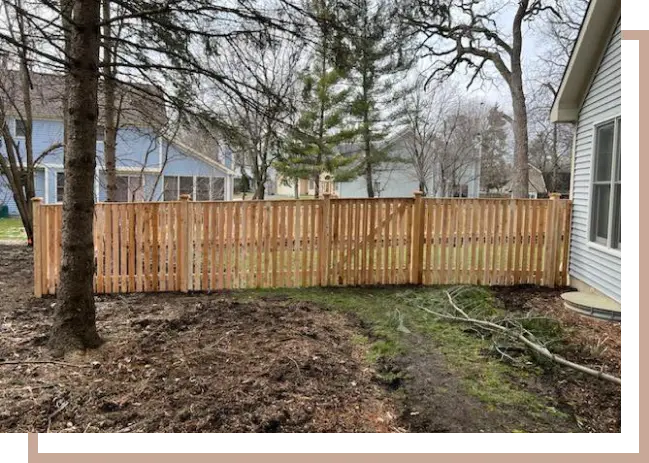
Your Post Winter Fence Inspection Checklist
Before you assume everything is fine, prevent small issues from worsening by taking a slow walk along your fence line and making a basic spring fence maintenance checklist
Identifying Ground Heave And Loose Posts
Ground heave happens when frost pushes posts upward. You may not notice it immediately unless you know what to look for.
Check for:
- Soil separation at the base of posts
- Posts that appear slightly taller than neighboring ones
- Partially exposed concrete footings
- Noticeable movement when you apply light pressure
Structural shifts often require proper resetting techniques, especially in clay-heavy soil. When issues go beyond simple tightening or reinforcement, professional inspection and fence repair can determine whether a post needs to be reset or replaced.
Spotting Moisture Damage, Mold Rot And Peeling
After a long winter, melting snow can trap moisture along the lower boards and posts of your fence. As the temperature rises, this moisture seeps into the materials, causing potential damage that can worsen over time.
Early spring is the best time to inspect your fence and address any issues before the summer sun locks in further damage. Let’s break down what to look for by material:
- Western Red Cedar: Keep an eye out for soft spots near the base of the posts, dark streaking or black mildew, and peeling stain or uneven color. Wood may also feel spongy when pressed, a clear sign of water damage.
- Vinyl Fences: Vinyl can develop brown or green staining, especially at the bottom where moisture settles. In extreme cases, the material may warp, and the hardware can show signs of discoloration from the prolonged exposure to wet conditions.
- Aluminum Fences: Look for oxidation or chalky residue on the surface, rust on the connection points, and loose fasteners that may have been weakened by the moisture.
Cleaning & Restoration: Banishing Salt and Mud
After months of exposure to Chicago’s winter climate, your fence is bound to have a buildup of salt, mud, and debris. While these elements may seem harmless, they can damage your fence if left untreated. Thankfully, with a little care and the right approach, you can give your fence an effective yet safe clean, keeping it looking great for the rest of the season.
Neutralizing Salt Residue on Cedar and Aluminum Fences
To neutralize salt on cedar and aluminum, create a cleaning solution of mild soap and warm water. Gently scrub the affected areas with a soft brush to remove all residue. Rinse thoroughly with clean water, then allow your fence to air-dry before applying any new sealants or finishes.
Protecting the Base of Your Fence from Mud
Clearing mud and debris from the base of your fence helps ensure proper airflow and prevents moisture from being trapped at the bottom. Regularly check for mud accumulation and use a shovel or broom to clear it away. This simple task can prevent moisture from “wicking” up into the fence, extending its lifespan.
Essential Spring Maintenance for Different Materials
Whether you have a Western Red Cedar, vinyl, or aluminum fence, proper springtime fence care ensures its durability and functionality for the season ahead.
Revitalizing Western Red Cedar Fencing: Staining and Sealing
Spring is the ideal time to refresh your cedar fence. Winter moisture can affect the finish, and summer sun can cause further wear. A fresh coat of stain and sealant in the spring restores the wood’s color and texture, and protects it from UV rays and moisture.
Staining also extends the fence’s lifespan by offering a protective barrier. The mild spring temperatures allow the wood to absorb the stain more effectively than the summer heat.
Refreshing Vinyl and Aluminum Systems
Vinyl and aluminum fences require less maintenance than wood, but still require attention after winter. Check the hinges and latches for rust or moisture-related corrosion. Use a non-abrasive cleaner to restore shine, and for aluminum fences, look out for oxidation, which manifests as a chalky residue. Gently clean to prevent rust buildup.
When to Call the Pros: Repair vs. Replacement
While some fence issues are manageable on your own, others require professional attention. Knowing when to repair and when to replace can save you time, money, and frustration in the long run.
To help you make the right decision, here’s a quick comparison of what to consider before you grab your toolbox or call for a professional:
|
Criteria |
Repair |
Replacement |
|
Post Stability |
Minor shifts can be fixed easily |
Major shifting requires new posts |
|
Surface Appearance |
Can often be resolved by staining and patching |
Extensive wear may require full replacement |
|
Hardware Health |
Rusty hardware can be replaced |
Extensive rust or missing components may require a new setup |
|
Extent of Damage |
Small damage is easy to fix |
Structural damage requires a new installation |
Professional Realignment and Post Replacement
In the Chicagoland area, our clay-heavy soil can make resetting fence posts a bit trickier than in other parts of the country. When posts start to shift or lean, it often means the soil needs some adjustment or reinforcement.
A local fence company will know exactly how to handle these challenges, using the right tools and techniques to realign or replace posts for long-term use.
Why Spring is the Best Time for a New Fence Installation
Spring is the best season for fence installation in Chicago. The soil is soft and easier to work with, making it a prime time for digging and post installation. By getting your fence installed now, you avoid the summer rush and give your investment time to settle in properly before the intense heat and humidity.
Ready to Refresh Your Yard? Contact Northwest Cedar Fence Company Today
Don’t wait for summer to tackle fence problems; get ahead of the season and ensure your fence stays sturdy, functional, and looking its best. Spring is the perfect time to give your fence the care it deserves. Whether you’re tackling maintenance, addressing repairs, or upgrading to something new, taking action now can save you from bigger issues down the road.
At Northwest Cedar Fence Company, we specialize in expert fence maintenance, repair, and installation. Our experienced team is with you every step of the way—whether it’s inspecting and cleaning your fence or providing recommendations on repairs or a new installation. Plus, with our flexible financing options, you don’t have to wait till the money’s right to take care of your fence.
Speak with a fence contractor today and schedule your inspection or get a quote for new cedar, vinyl, or aluminum fencing. Northwest Cedar Fence Company is here to help you keep your yard looking its best all season long.